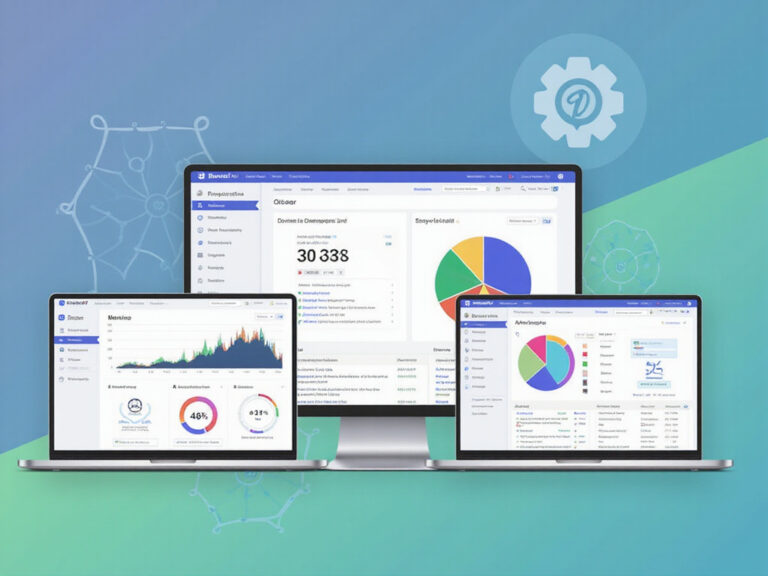
Comprehensive Kochava Review: In-Depth Analysis of the Mobile Attribution and Analytics Platform
Introduction to Kochava: Mobile Attribution and Analytics Powerhouse
In the increasingly complex digital advertising ecosystem, accurate attribution and analytics have become essential components for organizations seeking to optimize their marketing strategies and maximize return on investment. Kochava, established in 2011 and headquartered in Sandpoint, Idaho, has emerged as a leading player in this space, offering a comprehensive suite of tools designed to provide advertisers, marketers, and developers with real-time data solutions for campaign measurement, attribution, and audience management.
As mobile applications and digital marketing continue to evolve, the need for sophisticated attribution and analytics tools has grown exponentially. Kochava has positioned itself as a technical solution for this growing need, providing a unified platform that enables organizations to track user acquisition, engagement, and retention across multiple channels, devices, and platforms. The company’s focus on data-driven insights and advanced analytics capabilities has made it a preferred choice for many enterprise-level organizations and mobile app developers seeking to optimize their marketing efforts.
In this comprehensive review, we will delve deeply into Kochava’s technical infrastructure, examine its core functionalities, analyze its performance across various use cases, and evaluate its strengths and limitations in comparison to competing solutions. By the end of this article, you will have a thorough understanding of Kochava’s capabilities and whether it aligns with your organization’s technical requirements and attribution needs.
Core Technology Infrastructure and Architecture
Kochava’s platform is built on a robust technological foundation designed to handle massive data volumes while maintaining real-time processing capabilities. At its core, Kochava utilizes a distributed computing architecture that enables it to process billions of events daily with minimal latency. This infrastructure is crucial for providing accurate attribution data in near real-time, allowing marketers and developers to make data-driven decisions promptly.
The platform’s architecture consists of several key components:
- Data Collection Layer: Responsible for ingesting data from various sources, including mobile devices, web browsers, connected TVs, and other digital touchpoints. This layer utilizes SDK implementations and server-to-server integrations to capture user interactions and events.
- Processing Engine: A distributed computing system that processes incoming data streams, applies attribution logic, and performs complex event processing to determine attribution paths and conversion flows.
- Storage Infrastructure: A scalable database system that stores both raw and processed data, enabling historical analysis and reporting.
- Analytics Engine: Advanced analytics capabilities that transform raw data into actionable insights, including machine learning algorithms for predictive modeling and fraud detection.
- Visualization Layer: User interface components that present data in meaningful ways through dashboards, reports, and interactive visualizations.
One of the technical strengths of Kochava’s infrastructure is its ability to handle identity resolution across different platforms and devices. The system employs deterministic and probabilistic matching techniques to create a unified view of users across multiple touchpoints. This is particularly important in today’s fragmented digital landscape, where users interact with brands through various channels and devices.
For technical implementation, Kochava provides SDKs for various platforms, including iOS, Android, Unity, and web. Below is an example of basic SDK implementation for iOS using Swift:
// Initialize the Kochava Tracker
func initializeKochava() {
    let kochavaTracker = KVATracker.shared

    let configDict: [String: Any] = [
        KVAParamAppGUIDStringKey: "YOUR_APP_GUID",
        KVAParamLogLevelEnumKey: KVALogLevel.debug,
        KVAParamSleepBoolKey: false,
        KVAParamLimitAdTrackingBoolKey: false
    ]

    kochavaTracker.configure(withParametersDictionary: configDict)
}

// Track a custom event
func trackCustomEvent() {
    let eventName = "custom_event_name"
    let eventData: [String: Any] = [
        "param1": "value1",
        "param2": 123,
        "param3": true
    ]

    let event = KVAEvent(nameString: eventName)
    event.infoDictionary = eventData
    event.send()
}
This architecture enables Kochava to provide a comprehensive view of the customer journey, from initial ad impression to post-install events and conversions. The platform’s ability to process and analyze data at scale makes it particularly suitable for enterprise-level organizations with complex attribution needs and large user bases.
Key Features and Capabilities
Kochava’s platform encompasses a wide range of features and capabilities designed to address various aspects of mobile attribution, analytics, and audience management. Let’s examine these features in detail to understand their technical implementations and practical applications.
Advanced Attribution Mechanisms
At the core of Kochava’s offering is its attribution engine, which employs sophisticated algorithms to determine the sources of app installs and user conversions. The platform supports multiple attribution methodologies, including:
- Deterministic Attribution: Uses definitive identifiers like device IDs, click IDs, or user credentials to establish direct connections between ad interactions and conversions.
- Probabilistic Attribution: Employs statistical models and machine learning algorithms to attribute conversions when deterministic methods aren’t available, particularly useful in privacy-centric environments.
- View-Through Attribution: Captures and attributes conversions that occur after a user views an ad but doesn’t immediately click on it, providing insight into ad effectiveness beyond direct response metrics.
- Multi-Touch Attribution: Analyzes the complete user journey across multiple touchpoints to allocate conversion credit to various marketing channels based on their contribution to the final conversion.
Technically, Kochava implements these attribution methodologies through a combination of client-side tracking (via SDKs) and server-side processing. The platform maintains a vast network of integration partnerships with major ad networks, DSPs (Demand-Side Platforms), and media sources, enabling seamless data flow between advertising platforms and Kochava’s attribution engine.
An important technical aspect of Kochava’s attribution system is its handling of attribution windows and lookback periods. The platform allows for customizable attribution windows based on campaign types and business requirements. This flexibility is crucial for accurately attributing conversions in various marketing scenarios, from immediate-response campaigns to longer consideration-cycle products.
Real-Time Analytics and Reporting
Kochava’s analytics capabilities extend beyond basic attribution to provide comprehensive insights into user behavior, campaign performance, and ROI (Return on Investment). The platform processes data in real-time, allowing marketers and developers to monitor campaign performance as it happens and make immediate adjustments when necessary.
The analytics engine includes:
- Customizable Dashboards: Interactive visualization tools that display key performance indicators (KPIs) and metrics in real-time, with drill-down capabilities for detailed analysis.
- Cohort Analysis: Tools for tracking user groups based on common characteristics or behaviors over time, enabling insight into retention patterns and lifetime value.
- Funnel Analysis: Visualization of user progression through defined conversion paths, identifying drop-off points and optimization opportunities.
- Revenue Analytics: Tracking of in-app purchases, subscriptions, and other revenue events, with attribution to specific campaigns or channels.
- Custom Event Tracking: Capability to define and track custom events specific to an application or business model, providing tailored insights into user engagement.
From a technical perspective, Kochava implements these analytics features through a combination of client-side event tracking and server-side processing. The SDK captures user interactions and events, which are then transmitted to Kochava’s servers for processing and analysis. The platform employs various data processing techniques, including stream processing for real-time analytics and batch processing for more complex, comprehensive analyses.
Fraud Prevention and Detection
In the digital advertising ecosystem, ad fraud remains a significant concern for marketers and developers. Kochava addresses this challenge through its Fraud Console, a sophisticated system designed to detect and prevent various types of advertising fraud. The technical implementation of Kochava’s fraud detection system involves multiple layers of analysis and filtering:
- Click Flooding Detection: Algorithms that identify abnormal patterns in click volumes from specific sources, potentially indicating click spamming or flooding attacks.
- Install Validation: Techniques to verify the authenticity of app installs, including time-to-install analysis and device verification.
- Device Verification: Methods to detect emulators, virtual devices, and other non-human sources of app installs and engagements.
- IP Filtering: Analysis of IP addresses to identify suspicious activity, including data center traffic and known fraud sources.
- Attribution Modeling: Advanced models that analyze attribution patterns to identify statistically improbable conversion paths that may indicate fraudulent activity.
The technical implementation of these fraud detection mechanisms involves machine learning algorithms trained on vast datasets of known fraud patterns. These algorithms continuously evolve as new fraud techniques emerge, making Kochava’s fraud prevention system adaptive to changing threats in the digital advertising landscape.
Here’s an example of how fraud prevention might be configured in a Kochava implementation:
// Configure fraud prevention settings
let fraudPreventionSettings: [String: Any] = [
    "click_spam_threshold": 0.85,  // Probability threshold for click spam detection
    "ttl_min_threshold": 3,        // Minimum time-to-install in seconds
    "ip_filtering_enabled": true,
    "emulator_detection_enabled": true,
    "geo_location_validation": true
]

// Apply fraud prevention configuration
kochavaTracker.configureFraudPrevention(withSettings: fraudPreventionSettings)
Audience Management and Segmentation
Kochava’s platform includes sophisticated audience management capabilities through its Collective feature, which enables marketers to create, manage, and activate user segments based on various behavioral and demographic attributes. From a technical standpoint, this system implements:
- Real-Time Segmentation: Dynamic user segmentation based on current behaviors and interactions, enabling immediate targeting and personalization.
- Predictive Segments: Machine learning algorithms that predict future user behaviors and create segments based on these predictions.
- Lookalike Modeling: Algorithms that identify users with similar characteristics to high-value customers, expanding targeting reach while maintaining relevance.
- Cross-Device Identity Resolution: Technology that connects user identities across multiple devices and platforms, creating a unified view of the customer.
- Privacy-Compliant Data Management: Systems designed to handle user data in compliance with regulations like GDPR, CCPA, and app store policies.
The technical implementation of these audience management features involves complex data processing pipelines that ingest, process, and analyze user data from various sources. The system employs both batch processing for historical analysis and stream processing for real-time segmentation and activation.
Integration Capabilities and API Ecosystem
Kochava’s technical architecture includes extensive integration capabilities, enabling seamless data flow between the platform and various marketing and analytics tools. The platform offers:
- Comprehensive API Suite: RESTful APIs that provide programmatic access to Kochava’s data and functionality, enabling custom integrations and workflows.
- Webhook Support: Real-time event notifications via webhooks, allowing external systems to react immediately to specific events or conditions.
- Pre-built Integrations: Out-of-the-box connectors for major advertising platforms, analytics tools, and marketing technologies.
- Data Export Capabilities: Tools for exporting data to external data warehouses, business intelligence platforms, or custom analytics systems.
- Server-to-Server Integrations: Direct server connections with advertising platforms and data providers, enhancing data accuracy and reducing latency.
Here’s an example of using Kochava’s REST API to retrieve campaign data:
// Example API request using JavaScript/Fetch API
const apiKey = 'YOUR_API_KEY';
const appGuid = 'YOUR_APP_GUID';
const startDate = '2023-01-01';
const endDate = '2023-01-31';

const url = `https://api.kochava.com/v1/apps/${appGuid}/campaigns?start=${startDate}&end=${endDate}`;

fetch(url, {
    method: 'GET',
    headers: {
        'Authentication': apiKey,
        'Content-Type': 'application/json'
    }
})
.then(response => response.json())
.then(data => {
    console.log('Campaign data:', data);
    // Process campaign data
})
.catch(error => {
    console.error('Error fetching campaign data:', error);
});
These integration capabilities are crucial for organizations with complex martech stacks, enabling Kochava to function as a central hub for attribution and analytics data while seamlessly connecting with other tools in the marketing ecosystem.
Performance Analysis and Technical Benchmarks
When evaluating a technical platform like Kochava, it’s essential to consider its performance characteristics and how they align with organizational requirements. This section examines Kochava’s performance across several key technical dimensions.
Data Processing Capacity and Scalability
Kochava’s infrastructure is designed to handle massive data volumes, processing billions of events daily across thousands of client applications. The platform’s distributed architecture enables horizontal scaling to accommodate growing data volumes and user bases. This scalability is particularly important for enterprise clients with high-volume applications or extensive advertising campaigns.
Technical benchmarks indicate that Kochava’s system can handle:
- Event Processing: Billions of events per day with sub-second processing latency for real-time attribution.
- Concurrent Users: Millions of concurrent active users across multiple client applications.
- Data Storage: Petabytes of historical data for long-term analysis and reporting.
- API Throughput: Thousands of API requests per second with consistent response times.
The platform’s performance remains consistent even during traffic spikes, such as those caused by major marketing campaigns or seasonal events. This reliability is crucial for organizations that depend on accurate, real-time attribution data for campaign optimization.
Attribution Accuracy and Precision
Attribution accuracy is perhaps the most critical performance metric for a platform like Kochava. The company employs several techniques to maximize attribution accuracy:
- Deterministic Matching: When possible, Kochava uses deterministic identifiers to establish direct connections between ad interactions and conversions, providing high-confidence attribution.
- Statistical Modeling: For cases where deterministic matching isn’t possible, Kochava employs statistical models that achieve attribution accuracy rates exceeding 95% in controlled testing environments.
- Multi-Touch Analysis: By analyzing the complete user journey, Kochava provides more nuanced attribution insights than single-touch models, distributing conversion credit across multiple touchpoints based on their influence.
- Fraud Filtering: By filtering out fraudulent or invalid traffic, Kochava improves the signal-to-noise ratio in attribution data, enhancing overall accuracy.
Independent analyses and client testimonials suggest that Kochava’s attribution accuracy compares favorably to industry benchmarks, with particularly strong performance in complex, multi-channel marketing environments where traditional last-click attribution models fall short.
Latency and Real-Time Capabilities
For many organizations, the speed at which attribution and analytics data becomes available is as important as its accuracy. Kochava’s performance in this area includes:
- Event Processing Latency: Typically less than 1 second from event occurrence to data availability in the platform.
- Attribution Time: For deterministic matches, attribution is usually completed within seconds. For probabilistic attribution requiring more complex analysis, results may take minutes to process fully.
- Dashboard Refresh Rate: Real-time dashboards update continuously, with new data reflecting in visualizations within seconds of processing.
- API Response Time: API endpoints typically respond within 100-200 milliseconds, depending on query complexity and data volume.
These performance characteristics enable truly real-time campaign monitoring and optimization, allowing marketers to identify and respond to trends or issues as they emerge rather than discovering them in retrospective analysis.
SDK Performance Impact
For mobile applications, the performance impact of third-party SDKs is an important consideration. Kochava has optimized its SDK to minimize its footprint on host applications:
- SDK Size: The Kochava SDK adds approximately 1-1.5 MB to application size, depending on the platform and implementation options chosen.
- Memory Usage: Runtime memory footprint typically ranges from 5-15 MB, scaling based on the volume and complexity of events being tracked.
- CPU Utilization: The SDK’s processing impact is minimal, with CPU usage spikes occurring primarily during initialization and batch event transmission.
- Battery Impact: Independent testing suggests that the Kochava SDK’s battery impact is negligible, with optimized network usage and background processing.
- Thread Safety: The SDK implements thread-safe operations to prevent concurrency issues when tracking events from different application components.
These performance characteristics make Kochava’s SDK suitable for integration into performance-sensitive applications, including games and media apps where resource utilization is a critical concern.
Practical Implementation and Technical Use Cases
Understanding how Kochava can be implemented in real-world scenarios provides valuable context for evaluating its suitability for specific technical requirements. This section explores several common implementation patterns and use cases.
App Install Attribution and User Acquisition
The most fundamental use case for Kochava is tracking and attributing app installs to their respective marketing sources. The technical implementation typically follows these steps:
- SDK Integration: Developers integrate the Kochava SDK into their mobile application, configuring it with the appropriate app ID and tracking parameters.
- Campaign Setup: Marketers create campaigns in their advertising platforms, using Kochava-generated tracking links that contain campaign identifiers and parameters.
- Click Tracking: When users click on advertisements, Kochava captures these interactions and stores them along with device and contextual information.
- Install Detection: When the application is installed and launched, the Kochava SDK detects the installation event and transmits it to Kochava’s servers.
- Attribution Processing: Kochava’s attribution engine matches the install event with previous click or impression data to determine the source of the installation.
- Postback Delivery: Once attribution is determined, Kochava sends postbacks to the appropriate advertising platforms, confirming the conversion and triggering any optimization algorithms or billing events.
This process happens automatically and in real-time, providing immediate visibility into campaign performance and user acquisition metrics. For organizations managing multiple user acquisition channels, this automation eliminates the need for manual reconciliation of campaign data across different platforms.
Post-Install Event Tracking and User Journey Analysis
Beyond initial install attribution, Kochava enables tracking of post-install events to understand user behavior and measure down-funnel conversions. The technical implementation involves:
- Event Definition: Developers define key events within their application that represent important user actions or milestones.
- SDK Configuration: The Kochava SDK is configured to track these custom events, along with any relevant parameters or properties.
- Event Tracking Code: Developers implement event tracking calls at appropriate points in the application code.
- Data Transmission: When events occur, the SDK captures them and transmits them to Kochava’s servers, either immediately or in batches depending on configuration.
- Attribution Mapping: Kochava associates these events with the user’s attribution chain, connecting post-install behaviors with the original acquisition source.
- Analysis and Reporting: The platform processes and analyzes this event data, generating insights into user journeys, conversion funnels, and campaign effectiveness.
Here’s an example of implementing post-install event tracking in an Android application:
// Java implementation for Android
public void trackPurchaseEvent(String productId, double revenue, String currency) {
    // Create event data map
    Map eventData = new HashMap<>();
    eventData.put("product_id", productId);
    eventData.put("revenue", revenue);
    eventData.put("currency", currency);
    eventData.put("transaction_id", generateUniqueTransactionId());

    // Send the purchase event to Kochava
    Tracker.getInstance().sendEvent("purchase", eventData);

    Log.d("AppAnalytics", "Tracked purchase event: " + productId + " for " + revenue + " " + currency);
}
This capability allows organizations to measure the full user lifecycle, from initial acquisition through engagement, conversion, and retention. By connecting these downstream events to acquisition sources, marketers can optimize campaigns based on quality and long-term value rather than just install volume.
Cross-Platform and Cross-Device Tracking
Modern user journeys often span multiple platforms and devices, presenting significant technical challenges for attribution and analytics. Kochava addresses these challenges through its cross-platform tracking capabilities:
- Identity Management: Kochava implements various identity resolution techniques, including deterministic matching (using login credentials or other persistent identifiers) and probabilistic matching (using device fingerprinting and behavioral patterns).
- Web-to-App Tracking: The platform can track user journeys that begin on websites and continue in mobile applications, providing visibility into cross-platform conversion paths.
- Deep Linking: Kochava supports advanced deep linking capabilities that maintain context and attribution data when users move between platforms or re-engage with applications.
- Connected Device Integration: Beyond traditional web and mobile platforms, Kochava extends tracking to connected TV, gaming consoles, and other digital touchpoints.
Implementing cross-platform tracking typically involves:
- Integrating the appropriate Kochava SDK for each platform (iOS, Android, Web, etc.)
- Implementing user identification mechanisms that work across platforms
- Configuring deep links and deferred deep links to maintain context across platform boundaries
- Setting up cross-platform conversion tracking to capture complete user journeys
This capability is particularly valuable for organizations with presence across multiple platforms, enabling them to understand and optimize the complete customer journey regardless of where it begins or which devices are involved.
Fraud Detection and Prevention Implementation
Implementing Kochava’s fraud prevention capabilities involves several technical components:
- Fraud Console Configuration: Marketers and developers configure fraud detection parameters, including sensitivity thresholds and specific checks to enable.
- Real-Time Monitoring: The platform continuously analyzes incoming traffic patterns, flagging suspicious activity for review or automatic rejection.
- Pre-Attribution Filtering: Potentially fraudulent clicks or impressions are filtered before they enter the attribution process, preventing them from claiming credit for legitimate conversions.
- Post-Attribution Analysis: Even after initial attribution, Kochava continues to analyze patterns that might indicate fraud, enabling retroactive correction of attribution data.
- Automated Remediation: When fraud is detected, the platform can automatically adjust campaign data, update postbacks to advertising platforms, and modify billing information.
Organizations can implement different levels of fraud prevention based on their risk tolerance and specific concerns. Some choose to simply monitor fraud indicators for insight, while others implement strict filtering that automatically rejects suspicious traffic. The technical implementation typically involves configuring these parameters through Kochava’s dashboard or API.
This capability is particularly important for organizations operating in markets with high fraud rates or running high-value campaigns that might attract fraudulent activity.
Privacy and Security Considerations
In today’s regulatory environment, privacy and security are critical aspects of any data-handling platform. Kochava has implemented various technical measures to address these concerns while maintaining attribution accuracy and analytics capabilities.
Data Privacy Compliance
Kochava’s platform includes several technical features designed to support compliance with privacy regulations such as GDPR, CCPA, and platform-specific policies (like Apple’s App Tracking Transparency):
- Consent Management: The SDK includes capabilities for capturing and respecting user consent choices, with configurable behavior based on consent status.
- Data Minimization: Options to limit the collection and processing of personal data to what’s strictly necessary for attribution purposes.
- Data Retention Controls: Configurable data retention periods with automatic deletion of aged data to comply with minimization requirements.
- Subject Access Request Tools: API endpoints and dashboard features for retrieving, exporting, or deleting user data in response to data subject requests.
- Privacy-Preserving Attribution: Alternative attribution methodologies that function effectively in privacy-constrained environments, such as when IDFA or other identifiers are unavailable.
Implementing these privacy features typically involves configuring the SDK with appropriate privacy parameters and integrating with consent management systems:
// Configure privacy settings in iOS
let privacyConfig: [String: Any] = [
    "limit_ad_tracking_enabled": true,
    "require_consent_for_data_collection": true,
    "data_retention_days": 90,
    "geoip_enabled": false
]

kochavaTracker.configurePrivacy(withSettings: privacyConfig)

// Update consent status when it changes
func updateConsentStatus(hasConsent: Bool) {
    kochavaTracker.setConsentStatus(hasConsent)
}
These capabilities allow organizations to maintain effective attribution and analytics while respecting user privacy choices and complying with applicable regulations. This is increasingly important as privacy regulations continue to evolve and platform policies become more restrictive regarding user tracking.
Security Implementation
As a platform handling sensitive business data and user information, Kochava implements multiple layers of security:
- Data Encryption: All data transmitted between client applications and Kochava’s servers is encrypted using TLS 1.2+ protocols, preventing interception during transit.
- API Authentication: All API access requires authentication using API keys or OAuth tokens, with optional IP whitelisting for additional security.
- Role-Based Access Control: The platform implements fine-grained access controls that allow organizations to limit which team members can access specific data or functionality.
- Audit Logging: Comprehensive logging of system access and changes, providing accountability and facilitating security investigations when necessary.
- Infrastructure Security: Kochava’s cloud infrastructure implements industry-standard security measures, including network segmentation, intrusion detection, and regular security assessments.
For organizations with specific security requirements, Kochava offers additional security features and customizations, such as custom data retention policies, enhanced encryption, and dedicated infrastructure options.
These security measures are particularly important for organizations handling regulated data or operating in industries with specific security compliance requirements.
Comparative Analysis with Competing Solutions
To provide context for evaluating Kochava, it’s useful to compare its technical capabilities with those of competing mobile attribution and analytics platforms. This section examines how Kochava stacks up against major alternatives in the market.
AppsFlyer vs. Kochava: Technical Comparison
AppsFlyer is one of Kochava’s primary competitors in the mobile attribution space. Key technical differences include:
| Feature | Kochava | AppsFlyer |
|---|---|---|
| SDK Size | 1-1.5 MB | ~800 KB (core SDK) |
| Data Processing Architecture | Distributed computing with real-time processing | Cloud-based real-time processing |
| Integration Ecosystem | 3,000+ partners | 8,000+ partners |
| Fraud Detection Approach | Machine learning + rules-based system | Primarily machine learning-based |
| Privacy Solution | Consent management + privacy-preserving attribution | Conversion modeling + aggregated reporting |
| API Extensibility | Comprehensive REST API with strong customization | Extensive API with focus on reporting |
While both platforms offer robust attribution capabilities, Kochava tends to differentiate itself through greater technical customization options and more granular data access, while AppsFlyer often emphasizes its larger integration ecosystem and user-friendly interface. From a technical implementation perspective, organizations with complex attribution requirements or unique integration needs may find Kochava’s flexibility advantageous, while those prioritizing ease of use and breadth of standard integrations might prefer AppsFlyer.
Adjust vs. Kochava: Technical Implementation Differences
Adjust is another major competitor in the mobile attribution market. Technical comparisons include:
| Feature | Kochava | Adjust |
|---|---|---|
| Technical Architecture | Unified platform for all functionality | Modular architecture with separate products |
| Data Access | Raw data access + processed analytics | Primarily processed data with limited raw access |
| Customization | Extensive customization capabilities | More standardized implementations |
| Implementation Complexity | More complex with greater flexibility | Simpler implementation with standard flows |
| Fraud Prevention | Integrated fraud console with customizable rules | Fraud Prevention Suite as add-on product |
From an implementation perspective, Kochava typically requires more technical configuration but offers greater flexibility, while Adjust emphasizes standardized implementations that may be easier to deploy but less customizable. Organizations with sufficient technical resources might benefit from Kochava’s flexibility, while those with limited development bandwidth might prefer Adjust’s more straightforward implementation approach.
Branch vs. Kochava: Deep Linking and Attribution Comparison
Branch focuses heavily on deep linking capabilities alongside attribution, making it an interesting comparison point:
| Feature | Kochava | Branch |
|---|---|---|
| Primary Focus | Attribution with deep linking support | Deep linking with attribution capabilities |
| Deep Linking Implementation | Requires more configuration | Simplified deep linking implementation |
| Cross-Platform Tracking | Strong cross-platform capabilities | Specialized in web-to-app journeys |
| Technical Integration | More complex but highly customizable | Emphasizes developer experience and simplicity |
| Web SDK Capabilities | Standard web tracking capabilities | Advanced web SDK with journey continuity focus |
Organizations prioritizing seamless user experiences across platforms, particularly for web-to-app transitions, might find Branch’s specialized deep linking capabilities advantageous. Conversely, those requiring comprehensive attribution and analytics capabilities with deep linking as a secondary concern might prefer Kochava’s broader functionality.
Real-World Performance and User Feedback
Beyond technical specifications and feature comparisons, understanding how Kochava performs in real-world implementations provides valuable insight into its practical value. This section examines customer experiences and performance metrics from actual deployments.
Client Success Stories and Technical Implementations
Examining how specific organizations have implemented Kochava reveals patterns in its technical application and effectiveness:
- Gaming Industry Case Study: Several mobile game developers report successfully using Kochava to track user acquisition across multiple ad networks while measuring post-install events like tutorial completion, in-app purchases, and player retention. These implementations typically involve detailed event tracking to understand player conversion funnels and optimize user acquisition based on long-term value rather than just install metrics.
- E-commerce Implementation: Retail applications have implemented Kochava to track the effectiveness of various acquisition channels and measure key conversion events like account creation, first purchase, and repeat purchases. These implementations often focus on cross-device tracking to capture the complete customer journey across web and mobile touchpoints.
- Subscription Service Deployment: Subscription-based services have used Kochava to optimize acquisition channels based on subscription conversion rates and customer lifetime value. These implementations typically involve sophisticated cohort analysis and LTV prediction to identify the most valuable user acquisition sources.
A common theme across successful implementations is the integration of Kochava data with other business systems, such as CRM platforms, business intelligence tools, and marketing automation systems. This integration enables organizations to connect attribution data with broader business metrics and customer data, providing a more comprehensive view of marketing effectiveness.
According to client testimonials, organizations that derive the most value from Kochava typically invest in proper technical implementation and data integration, rather than treating it as a standalone attribution tool. As one client from a mobile gaming company stated: “Kochava is a game changer for measuring and optimizing our mobile apps. We now have a single source of truth across our omnichannel growth partners.”
Technical Challenges and Solutions
While Kochava offers powerful capabilities, organizations have reported various technical challenges during implementation and operation. Understanding these challenges and their solutions provides valuable context for technical evaluation:
- Implementation Complexity: Some organizations report that Kochava’s extensive customization options can lead to complex implementations requiring significant developer resources. Solution approaches include using Kochava’s implementation documentation and professional services for initial setup, then gradually expanding functionality as needed.
- Data Volume Management: Organizations with high-volume applications sometimes face challenges managing the quantity of data generated by comprehensive event tracking. Solutions include implementing event filtering at the SDK level, using sampling for high-frequency events, and establishing clear data retention policies.
- Attribution in Privacy-Constrained Environments: Recent privacy changes, particularly Apple’s App Tracking Transparency framework, have created challenges for traditional attribution methods. Organizations have addressed this by implementing Kochava’s privacy-preserving attribution techniques, including probabilistic matching and aggregate data analysis.
- Integration with Legacy Systems: Some organizations struggle to integrate Kochava data with existing business systems and data warehouses. Successful approaches include using Kochava’s API for custom data pipelines, implementing ETL processes to transform and load attribution data, and using middleware solutions for system integration.
The key insight from these challenges is that successful Kochava implementation typically requires thoughtful planning and sufficient technical resources. Organizations that approach implementation as a strategic technical project rather than a simple tool deployment generally report more positive outcomes.
Performance Metrics and ROI Analysis
Organizations using Kochava report various performance improvements and return on investment metrics:
- Marketing Efficiency: Many report improving marketing ROI by 20-30% through more accurate attribution and optimization based on down-funnel conversion events rather than just installs or clicks.
- Fraud Reduction: Organizations implementing Kochava’s fraud prevention capabilities typically report reducing fraudulent traffic by 15-25%, directly improving the efficiency of advertising spend.
- Technical Resource Requirements: While implementation requires technical resources, many organizations report that Kochava’s automation capabilities reduce the ongoing technical maintenance burden compared to managing multiple separate attribution systems or building custom attribution solutions.
- Data Analysis Efficiency: Organizations report significant time savings in campaign analysis and reporting, with some estimating 10-15 hours saved per week through automated attribution and reporting compared to manual data reconciliation.
The ROI calculation for Kochava typically considers both direct cost factors (platform fees, implementation resources) and indirect benefits (improved marketing efficiency, reduced fraud, time savings). Organizations that fully leverage Kochava’s capabilities generally report positive ROI, with the platform’s cost justified by marketing efficiency improvements and technical resource savings.
Conclusion: Technical Evaluation and Recommendations
After thoroughly examining Kochava’s technical capabilities, performance characteristics, and real-world implementations, we can draw several conclusions about its suitability for different organizational requirements.
Strengths and Limitations
Kochava’s key technical strengths include:
- Comprehensive Attribution Capabilities: The platform provides sophisticated attribution across multiple channels, devices, and platforms, with support for various attribution methodologies.
- Technical Flexibility and Customization: Kochava offers extensive customization options, API access, and integration capabilities, making it suitable for complex technical requirements.
- Fraud Prevention Technology: The platform’s fraud detection and prevention capabilities are technically sophisticated, combining machine learning and rules-based approaches for effective fraud mitigation.
- Data Access and Control: Kochava provides granular access to attribution and analytics data, enabling deep analysis and integration with other business systems.
- Privacy-Preserving Attribution: The platform has adapted well to changing privacy regulations, implementing technical solutions that maintain attribution effectiveness in privacy-constrained environments.
Notable limitations include:
- Implementation Complexity: The platform’s flexibility comes with increased implementation complexity compared to some alternatives, potentially requiring more technical resources.
- Learning Curve: The extensive feature set and customization options create a steeper learning curve for new users, particularly for technical implementation.
- Integration Ecosystem: While comprehensive, Kochava’s integration ecosystem is somewhat smaller than some competitors, potentially requiring more custom integration work for certain advertising platforms or tools.
Ideal Use Cases and Technical Fit
Based on its technical characteristics, Kochava is particularly well-suited for:
- Enterprise Organizations: Companies with complex marketing ecosystems, multiple applications, and sophisticated attribution requirements typically benefit from Kochava’s comprehensive capabilities.
- Cross-Platform Businesses: Organizations with presence across multiple platforms (web, iOS, Android, connected devices) can leverage Kochava’s cross-platform tracking capabilities for unified attribution.
- Data-Driven Marketing Teams: Organizations that make extensive use of attribution data for marketing optimization benefit from Kochava’s detailed analytics and data access capabilities.
- High-Value User Acquisition: Companies with high user acquisition costs or high customer lifetime value can justify Kochava’s investment through improved marketing efficiency and fraud prevention.
- Organizations with Technical Resources: Companies with sufficient development and analytics resources can fully leverage Kochava’s customization capabilities and technical flexibility.
Conversely, Kochava may be less ideal for:
- Small Organizations with Limited Technical Resources: Companies without dedicated development resources might find Kochava’s implementation requirements challenging.
- Simple Attribution Needs: Organizations with basic attribution requirements might find Kochava’s comprehensive feature set unnecessarily complex.
- Budget-Constrained Organizations: Companies with significant budget constraints might find more cost-effective solutions for basic attribution needs.
Final Assessment
Kochava represents a technically sophisticated solution for mobile attribution and analytics, offering comprehensive capabilities for tracking, measuring, and optimizing marketing performance across multiple channels and platforms. Its technical architecture balances scalability, performance, and flexibility, making it suitable for organizations with complex attribution requirements and sufficient technical resources to implement and maintain the platform.
The platform has successfully adapted to changing privacy regulations and technical constraints, implementing innovative solutions for attribution in privacy-centric environments. This adaptability suggests that Kochava will continue to evolve effectively as the digital advertising ecosystem changes.
For organizations that align with Kochava’s ideal use cases, the platform offers significant technical value, potentially justifying its cost through improved marketing efficiency, reduced fraud, and enhanced data-driven decision-making capabilities. However, organizations should carefully assess their technical resources and attribution requirements to ensure alignment with Kochava’s implementation needs and feature set.
Ultimately, Kochava stands as a powerful technical solution for attribution and analytics, particularly well-suited for organizations with sophisticated marketing ecosystems and the technical capabilities to fully leverage its extensive feature set.
Frequently Asked Questions About Kochava Review
What is Kochava and what are its primary functions?
Kochava is a real-time data solutions company offering a comprehensive platform for mobile attribution, analytics, and campaign management. Its primary functions include tracking user acquisition across multiple channels, attributing app installs and conversions to specific marketing sources, measuring post-install events and user engagement, detecting and preventing ad fraud, and providing audience management capabilities. The platform serves as a unified measurement solution for marketers and developers seeking to understand the effectiveness of their digital advertising efforts across various channels and platforms.
How does Kochava’s attribution technology work technically?
Kochava’s attribution technology works through a multi-step technical process: 1) When users interact with ads, Kochava captures these interactions via tracking links containing campaign identifiers and contextual data; 2) The Kochava SDK, integrated into the advertiser’s app, detects when the app is installed and launched, sending this information to Kochava’s servers; 3) Kochava’s attribution engine compares the install data with previously recorded ad interactions, using both deterministic matching (direct identifier connections) and probabilistic matching (statistical models) to determine attribution; 4) The system applies configurable attribution windows and logic to determine which advertising source receives credit for the conversion; 5) Once attribution is determined, Kochava sends postbacks to the appropriate advertising platforms to confirm conversions and enable optimization.
What technical integration options does Kochava offer?
Kochava offers multiple technical integration options: 1) SDK Integration – native SDKs for iOS, Android, Unity, React Native, and other platforms; 2) Server-to-Server Integration – direct API connections between servers for environments where SDK integration isn’t feasible; 3) Web SDK – JavaScript-based tracking for websites and web applications; 4) API Access – comprehensive RESTful APIs for data access, campaign management, and custom integrations; 5) Webhooks – real-time event notifications that can trigger actions in external systems; 6) Data Export – scheduled or on-demand exports to data warehouses or business intelligence platforms; 7) Pre-built Connectors – turnkey integrations with major advertising platforms, analytics tools, and marketing technologies. These options provide flexibility for different technical environments and requirements.
How does Kochava handle privacy compliance technically?
Kochava handles privacy compliance through several technical mechanisms: 1) Consent Management – SDK capabilities for capturing and respecting user consent choices with configurable behavior based on consent status; 2) Privacy-Preserving Attribution – alternative attribution methodologies that function effectively when traditional identifiers are unavailable; 3) Data Minimization – configurable options to limit personal data collection to what’s necessary for attribution; 4) Data Retention Controls – automated data deletion after configurable retention periods; 5) Subject Access Request Tools – APIs and dashboard features for retrieving or deleting user data; 6) SDK Configuration Options – granular controls for privacy-related functionality like IP anonymization and identifier collection; 7) Aggregated Reporting – privacy-safe analytics that don’t rely on user-level data; 8) Platform-Specific Adaptations – technical solutions for platform-specific privacy requirements, such as Apple’s App Tracking Transparency framework.
How does Kochava’s fraud prevention technology work?
Kochava’s fraud prevention technology works through a multi-layered approach: 1) Machine Learning Algorithms – trained on vast datasets of known fraud patterns to identify suspicious activity; 2) Click Validation – analysis of click patterns and characteristics to identify click flooding, click injection, and other click fraud; 3) Install Validation – verification of app installs using time-to-install analysis, device verification, and other techniques; 4) Device Intelligence – detection of emulators, virtual devices, and device farms using device fingerprinting and behavioral analysis; 5) IP Analysis – identification of suspicious IP addresses, including data centers and known fraud sources; 6) Statistical Anomaly Detection – identification of statistically improbable patterns in attribution data; 7) Configurable Rules Engine – customizable rules and thresholds for fraud detection based on specific campaign requirements; 8) Real-time Prevention – capability to block fraudulent interactions before they impact attribution or billing. The system operates both pre-attribution (preventing fraud from entering the attribution system) and post-attribution (identifying fraud that may have bypassed initial detection).
What are Kochava’s technical requirements for implementation?
Kochava’s technical requirements include: 1) SDK Implementation – development resources to integrate the appropriate Kochava SDK into mobile applications or websites; 2) Event Tracking Configuration – definition and implementation of custom events relevant to the application’s conversion funnel; 3) Server-Side Integration – for advertising platforms that require server-to-server communication; 4) API Access Configuration – setting up secure API access for data retrieval or custom integrations; 5) Attribution Parameter Configuration – defining attribution windows, logic, and partner postbacks; 6) Analytics Implementation – configuration of dashboards, reports, and data exports; 7) Fraud Prevention Setup – configuring fraud detection parameters and thresholds; 8) Privacy Compliance Implementation – configuring consent management and privacy-related settings. While basic implementation can be straightforward, fully leveraging Kochava’s capabilities typically requires developer resources and technical planning. Kochava provides implementation documentation, SDKs, and optional professional services to assist with technical implementation.
How does Kochava compare technically to other attribution platforms?
Compared to other attribution platforms, Kochava offers: 1) Greater Technical Customization – more extensive configuration options and customization capabilities than many competitors; 2) Comprehensive Data Access – more granular access to raw attribution data compared to platforms that focus primarily on processed analytics; 3) Unified Platform Architecture – an integrated approach rather than the modular, add-on structure of some competitors; 4) Strong Cross-Platform Capabilities – robust attribution across mobile, web, and connected devices; 5) Advanced Fraud Prevention – sophisticated fraud detection using both machine learning and rules-based approaches; 6) Extensive API Capabilities – comprehensive API access for custom integrations and data flows; 7) Privacy-Preserving Attribution – advanced techniques for attribution in privacy-constrained environments. However, this technical flexibility comes with greater implementation complexity compared to some more streamlined competitors. The technical differentiation makes Kochava particularly suitable for organizations with complex attribution requirements and sufficient technical resources to leverage its capabilities fully.
What performance metrics should be monitored when using Kochava?
Key performance metrics to monitor when using Kochava include: 1) Attribution Accuracy – comparison of attributed conversions with expected results based on other data sources; 2) Attribution Latency – time between user actions and attribution data availability; 3) SDK Performance Impact – monitoring app performance metrics before and after SDK implementation; 4) Data Processing Volumes – tracking event volumes to ensure they align with expectations and plan capacity; 5) API Response Times – monitoring API performance for custom integrations; 6) Fraud Detection Rates – tracking the percentage of traffic identified as potentially fraudulent; 7) Dashboard Response Times – monitoring the performance of analytics dashboards and reports; 8) Data Discrepancies – comparing Kochava data with advertising platform data to identify and resolve discrepancies; 9) Implementation Correctness – validating that events are being tracked correctly through test conversions and debugging; 10) System Uptime and Reliability – monitoring for any service disruptions or data processing delays. Regular monitoring of these metrics helps ensure the attribution system is functioning correctly and providing accurate data.
What are common technical challenges when implementing Kochava?
Common technical challenges when implementing Kochava include: 1) SDK Integration Complexity – especially for applications with complex architectures or multiple development teams; 2) Event Tracking Implementation – ensuring all relevant events are properly defined and tracked; 3) Data Volume Management – handling high volumes of event data efficiently; 4) Attribution in Privacy-Constrained Environments – adapting to limited identifier availability in privacy-focused platforms; 5) Integration with Existing Systems – connecting Kochava data with other business systems and data warehouses; 6) Custom Parameter Configuration – setting up the right parameters for specific attribution needs; 7) Debugging Attribution Issues – identifying and resolving discrepancies between expected and actual attribution results; 8) Managing Multiple App Versions – coordinating SDK implementation across different app versions; 9) Cross-Platform Identity Resolution – technical challenges in tracking users across different platforms and devices; 10) API Implementation – developing and maintaining custom integrations using Kochava’s API. Organizations can address these challenges through careful planning, sufficient technical resources, and leveraging Kochava’s implementation documentation and support services.
How does Kochava’s pricing structure work?
Kochava’s pricing structure typically follows a tiered model based on several factors: 1) Monthly Active Users (MAU) – the volume of unique users tracked within the platform; 2) Feature Set – access to different capabilities within the platform, from basic attribution to advanced features like fraud prevention and audience management; 3) Data Retention – length of time attribution and analytics data is stored and accessible; 4) Support Level – access to different levels of technical support and customer service; 5) Implementation Services – optional professional services for technical implementation and optimization; 6) Custom Development – specialized development work for unique technical requirements. Kochava offers several standard plans ranging from entry-level to enterprise solutions, with custom pricing for organizations with specific needs. While specific pricing information requires direct contact with Kochava, the platform’s cost typically aligns with other enterprise-grade attribution solutions, with ROI justification coming from improved marketing efficiency and reduced ad fraud.