SOC Management Vendors: A Comprehensive Technical Analysis of Security Operations Solutions
In today’s complex cybersecurity landscape, Security Operations Center (SOC) management vendors play a crucial role in helping organizations monitor, detect, and respond to security threats. These vendors provide the technological backbone necessary for implementing robust security controls and maintaining compliance with various regulatory frameworks. This technical analysis delves deep into SOC management vendors, exploring how they function within vendor management frameworks, their integration with SOC 2 compliance requirements, and most importantly, the significant challenges and limitations that security professionals should be aware of before implementation. By understanding both the benefits and drawbacks of these solutions, cybersecurity experts can make more informed decisions when selecting and implementing SOC management vendor solutions for their organizations.
Understanding SOC Reports and Vendor Management Fundamentals
System and Organization Controls (SOC) reports serve as critical components in vendor risk management programs. These reports, developed by the American Institute of Certified Public Accountants (AICPA), provide standardized assessments of a service organization’s controls relevant to security, availability, processing integrity, confidentiality, and privacy. In vendor management contexts, SOC reports function as independent attestations that verify a vendor’s claims regarding their security posture and control environment.
SOC reports come in several variants, with SOC 1, SOC 2, and SOC 3 being the most prevalent. SOC 1 reports focus on controls relevant to financial reporting, while SOC 2 and SOC 3 reports address controls relevant to the AICPA’s Trust Services Criteria (TSC). For cybersecurity professionals evaluating vendor risk, SOC 2 reports typically provide the most relevant information, as they specifically address information security controls. Each SOC report type can be further classified as Type 1 or Type 2, with Type 1 reports assessing the design of controls at a specific point in time, while Type 2 reports evaluate both the design and operating effectiveness of controls over a period (typically 6-12 months).
When leveraging SOC reports for vendor management, security professionals must understand the technical nuances that impact their utility. A SOC 2 Type 2 report, for instance, provides evidence-based assessments that are generally more valuable than the point-in-time evaluations found in Type 1 reports. The report contains an auditor’s opinion letter, detailed descriptions of the system and controls, tests of controls, results of testing, and any noted exceptions. Each of these components provides critical data points for assessing vendor risk.
The Technical Architecture of SOC Vendor Management Systems
SOC vendor management systems typically employ a multi-tiered architecture designed to facilitate the collection, analysis, and reporting of vendor security postures. At the foundation lies a database infrastructure that maintains vendor profiles, compliance documentation, risk scores, and historical performance metrics. This database architecture must be designed to accommodate various data types while ensuring proper data segregation and access controls.
The middleware layer of these systems handles workflow automation, notification mechanisms, and integration with other enterprise systems such as procurement platforms, GRC (Governance, Risk, and Compliance) tools, and identity management solutions. API gateways at this layer facilitate secure data exchange with external systems while maintaining proper authentication and authorization mechanisms.
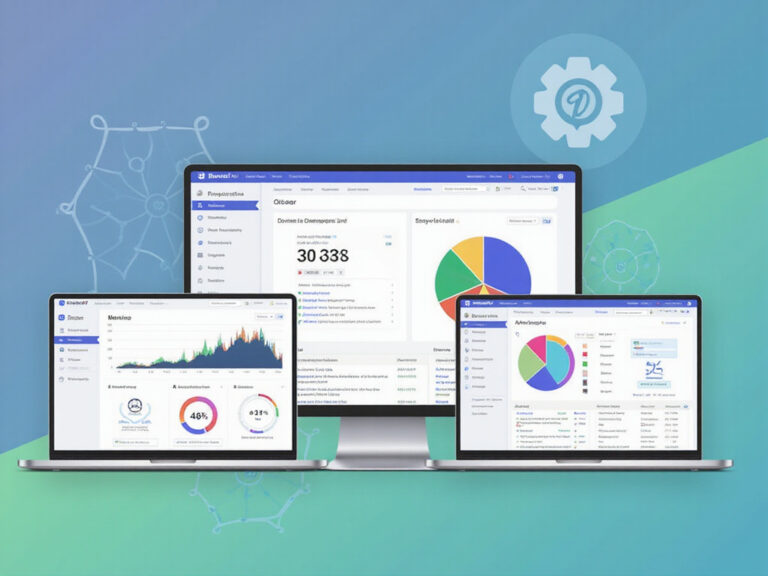
The application layer presents interfaces for various stakeholders, including security analysts, compliance officers, procurement specialists, and executives. These interfaces often include dashboards for real-time monitoring, reporting tools for compliance documentation, and workflow systems for managing vendor assessments and remediation activities.
Beyond the core architecture, modern SOC vendor management systems increasingly incorporate advanced technologies such as machine learning algorithms for predictive risk analysis, natural language processing for automated document review, and blockchain for immutable audit trails. These technologies aim to enhance the efficiency and effectiveness of vendor risk management processes, though they also introduce additional complexity that must be managed carefully.
Benefits of SOC Management Vendor Solutions
Enhanced Security Posture Through Standardized Assessments
One of the primary advantages of utilizing SOC management vendors is the standardization they bring to security assessments. By leveraging the Trust Services Criteria (security, availability, processing integrity, confidentiality, and privacy), these solutions establish a common framework for evaluating vendor controls. This standardization enables security teams to make more consistent and defensible decisions regarding vendor risk, while also facilitating more meaningful comparisons between potential service providers.
The structured approach provided by SOC frameworks also helps identify control gaps that might otherwise go unnoticed in ad-hoc assessments. For instance, a vendor might implement strong perimeter security controls while neglecting appropriate change management procedures—a discrepancy that would likely be captured during a comprehensive SOC 2 assessment. By ensuring comprehensive coverage across all relevant control domains, SOC management vendors help organizations develop a more holistic understanding of their third-party risk landscape.
Operational Efficiency in Risk Management Processes
SOC vendor management solutions significantly streamline the vendor assessment process through automation and centralization. Rather than manually tracking spreadsheets, email threads, and disparate documents, security teams can leverage these platforms to establish structured workflows for vendor onboarding, ongoing monitoring, and periodic reassessment. These workflows typically include automated questionnaire distribution, evidence collection, findings management, and remediation tracking—all of which reduce the administrative burden on security personnel.
The efficiency gains extend beyond initial assessments to include continuous monitoring capabilities. Many SOC management vendors now offer real-time monitoring of vendor security postures through integrations with external threat intelligence feeds, security rating services, and vulnerability scanning tools. This continuous visibility enables security teams to respond more quickly to emerging risks rather than relying solely on point-in-time assessments that might become outdated shortly after completion.
Regulatory Compliance Support and Documentation
Organizations operating in regulated industries face increasing pressure to demonstrate adequate oversight of their third-party relationships. SOC management vendors help address this challenge by maintaining comprehensive audit trails of vendor assessment activities, findings, remediation efforts, and ongoing monitoring. These detailed records prove invaluable during regulatory examinations, as they provide clear evidence of due diligence and risk-based decision-making.
Beyond documentation, SOC management vendors typically incorporate regulatory intelligence that helps organizations align their vendor oversight practices with specific compliance requirements. For example, these solutions might flag vendors that process personal data for GDPR or CCPA compliance considerations, or they might identify vendors that handle cardholder data and therefore require PCI DSS assessments. This regulatory mapping helps security teams prioritize their assessment efforts based on compliance risk rather than treating all vendors equally regardless of regulatory context.
Critical Limitations and Challenges of SOC Management Vendors
Inherent Constraints of the Attestation Model
Despite their utility, SOC reports operate fundamentally as attestation documents rather than real-time security monitoring tools. This creates several significant technical limitations that security professionals must consider. First, there exists an inherent temporal gap between the assessment period and the issuance of the report. A SOC 2 Type 2 report covering the period from January through June might not be available until September or October, creating a substantial blind spot regarding current security controls. During this gap, vendors might have experienced security incidents, implemented significant system changes, or modified their control environment in ways that render the report findings obsolete.
Additionally, the scope definition in SOC reports often creates ambiguity regarding coverage. A vendor might obtain a SOC 2 report for one system or service offering while excluding others from the assessment scope. Without careful review of the scope statements, organizations might mistakenly assume that all vendor services are covered by the attestation. This scope limitation becomes particularly problematic when vendors offer a portfolio of services with varying security implementations across different technical environments.
The attestation model also relies heavily on the competence and thoroughness of the auditors performing the assessment. Variation in audit quality can significantly impact the reliability of the reports, with some auditors conducting more rigorous tests of controls than others. Without standardized testing methodologies, two vendors with identical control environments might receive substantially different audit findings based solely on the approach taken by their respective auditors.
Technical Depth and Control Coverage Issues
One of the most significant limitations of SOC reports is their frequently insufficient technical depth when assessing complex security controls. SOC 2 reports often describe controls in generic terms without providing the technical specifications necessary for thorough evaluation. For example, a report might state that “encryption is used to protect data in transit” without specifying the encryption algorithms, key management practices, or implementation details. This lack of technical specificity forces security teams to request additional information to properly assess the adequacy of controls.
The standard Trust Services Criteria used in SOC 2 reports also tend to emphasize administrative and managerial controls over technical controls. While policies and procedures are important components of a security program, they provide limited insight into the actual technical safeguards implemented to protect systems and data. A vendor might have excellent documentation of security policies while maintaining weak technical controls such as inadequate network segmentation, insufficient endpoint protection, or vulnerable application code.
Furthermore, SOC reports typically focus on design effectiveness rather than security outcomes. A vendor might implement all the required controls according to their design specifications and still experience security breaches due to emerging threats, zero-day vulnerabilities, or sophisticated attack techniques that bypass existing controls. The compliance-oriented nature of SOC assessments can create a false sense of security when technical vulnerabilities exist despite compliance with the assessment criteria.
Integration Challenges and Ecosystem Limitations
SOC management vendor solutions frequently struggle with integration into existing security ecosystems. While vendors often advertise API connectivity and integration capabilities, the practical implementation of these integrations typically requires significant customization and maintenance. Data mapping between systems rarely functions seamlessly, particularly when organizations use multiple security tools with different data models, classification schemes, and risk scoring methodologies.
The integration challenges extend to data normalization across different vendor report formats. Each auditing firm produces SOC reports with slight variations in structure, terminology, and content organization. These variations complicate automated data extraction and analysis, forcing organizations to either manually review each report or implement complex parsing logic that requires regular updates to accommodate changes in report formats.
Additionally, SOC management vendors often provide limited support for technical testing results integration. While they might accept and store penetration testing reports, vulnerability scan results, or security rating data, they rarely offer sophisticated correlation capabilities that would enable security teams to identify patterns across different assessment methodologies. This limitation forces security analysts to manually correlate findings across multiple assessment types, reducing the efficiency gains that vendor management platforms supposedly provide.
False Sense of Security and Compliance Theater
Perhaps the most insidious limitation of SOC vendor management solutions is their potential to create what security professionals often call “compliance theater”—the appearance of security without substantive risk reduction. Organizations may develop a false sense of security by collecting SOC reports without critically evaluating the findings or understanding the technical implications. This checkbox mentality transforms vendor risk management from a security function into a compliance exercise, with the focus shifting from risk reduction to documentation collection.
The problem becomes particularly acute when organizations treat SOC compliance as a binary attribute rather than a starting point for deeper security analysis. A vendor with a clean SOC 2 report might still have significant security vulnerabilities that fall outside the scope of the assessment or were not adequately tested during the audit. By relying too heavily on SOC reports, organizations might neglect other important assessment methodologies such as penetration testing, threat modeling, or architectural risk analysis.
The compliance-oriented approach also creates misaligned incentives for vendors, who may optimize their security programs to pass SOC audits rather than to address actual security risks. This misalignment can lead to controls that appear effective on paper but provide minimal protection against real-world threats. For example, a vendor might implement elaborate change management documentation processes while continuing to deploy code with significant security vulnerabilities, knowing that the SOC audit will focus more on the process documentation than on the security outcomes.
Operational Challenges in SOC Vendor Management Implementation
Resource Intensiveness and Expertise Requirements
Implementing and maintaining a robust SOC vendor management program requires significant resources that organizations often underestimate. The technical complexity of properly evaluating SOC reports demands specialized knowledge that many security teams lack. Interpreting control descriptions, understanding the implications of testing exceptions, and evaluating the relevance of complementary user entity controls (CUECs) requires personnel with expertise in both auditing methodologies and technical security controls.
This expertise gap frequently leads to superficial report reviews that focus on the auditor’s opinion letter while neglecting the detailed findings contained within the report. Without thorough analysis of the control descriptions, testing methodologies, and noted exceptions, organizations cannot derive meaningful security insights from these reports. Yet developing this expertise internally requires significant investment in training and professional development, while outsourcing the analysis introduces additional costs and potential delays in the assessment process.
Beyond expertise challenges, the sheer volume of vendor relationships in modern organizations creates scaling problems for SOC management programs. Large enterprises might maintain relationships with hundreds or thousands of vendors, each requiring appropriate risk classification, assessment planning, evidence collection, findings management, and continuous monitoring. Even with automated platforms, the administrative overhead of managing these processes across a large vendor ecosystem strains security resources and forces difficult prioritization decisions.
Data Quality and Consistency Issues
SOC vendor management solutions suffer from persistent data quality challenges that undermine their effectiveness. The primary data sources—vendor questionnaires and SOC reports—both introduce reliability concerns that affect downstream analysis. Vendor self-assessments through questionnaires often contain optimistic or incomplete responses that do not accurately reflect the actual control environment. Without independent verification, these responses create a misleading picture of vendor security postures.
Even SOC reports, despite being produced by independent auditors, suffer from inconsistency issues across different auditing firms and individual auditors. The same control might be evaluated differently by different auditors, leading to incomparable results across vendors. This inconsistency becomes particularly problematic when organizations attempt to implement data analytics or benchmarking across their vendor ecosystem, as the underlying data lacks standardization.
Data aging presents another significant challenge, as security information becomes less reliable over time. A SOC 2 report representing controls as of June might be substantially outdated by December, yet many vendor management systems do not adequately account for this temporal degradation in data reliability. Without clear indicators of data freshness and reliability, security teams might make decisions based on outdated information that no longer reflects the current risk landscape.
Scalability and Customization Tradeoffs
SOC vendor management vendors face an inherent tension between scalability and customization that affects their utility for diverse organizations. Highly standardized solutions offer better scalability and often lower implementation costs, but they provide limited flexibility to adapt to organization-specific risk frameworks, industry requirements, or technical environments. Conversely, highly customizable solutions better align with specific organizational needs but typically require more complex implementation, ongoing maintenance, and specialized expertise.
This tradeoff becomes particularly evident in the assessment templates and workflows provided by vendor management platforms. Standardized templates facilitate quick implementation and vendor comparison but might not capture organization-specific concerns or technical nuances relevant to particular industries. Custom templates better address specific risk areas but reduce cross-vendor comparability and require more effort to develop and maintain.
The scalability-customization tradeoff extends to integration capabilities as well. Vendor solutions that offer pre-built integrations with common enterprise systems provide faster time-to-value but often support only standard use cases. Custom integrations offer more flexibility but require significant development resources and ongoing maintenance as both the vendor management platform and integrated systems evolve over time.
Strategic Considerations for SOC Vendor Management
Beyond Compliance: Developing a Risk-Based Approach
To overcome the limitations of compliance-oriented vendor management, organizations must shift toward a risk-based approach that treats SOC reports as one input among many rather than as definitive security assessments. This approach begins with a clear understanding of the organization’s risk appetite and the specific risks introduced by each vendor relationship. Rather than applying the same assessment methodology to all vendors, organizations should tailor their approach based on the criticality of the service, the sensitivity of the data involved, and the potential impact of a security failure.
For high-risk vendors, SOC reports should be supplemented with additional technical assessments such as penetration testing, architectural reviews, or security ratings. These complementary assessments provide different perspectives on vendor security postures and help identify risks that might not be captured in the SOC report. For example, a penetration test might reveal exploitable vulnerabilities in a vendor’s web application despite the vendor having documented secure development processes in their SOC report.
The risk-based approach also requires more sophisticated analysis of SOC reports beyond binary compliance determinations. Security teams should evaluate the specific control implementations described in the report, analyze the testing methodologies for thoroughness, and assess the relevance of any exceptions noted by the auditors. This deeper analysis helps identify potential security gaps that might exist despite overall SOC compliance.
Continuous Monitoring vs. Point-in-Time Assessments
The limitations of point-in-time assessments like SOC reports highlight the importance of implementing continuous monitoring capabilities for critical vendors. While SOC reports provide valuable historical information, they cannot capture real-time changes in vendor security postures or emerging threats that might affect vendor environments. Continuous monitoring tools help bridge this gap by providing ongoing visibility into vendor security metrics.
Security rating services represent one approach to continuous monitoring, using externally observable signals to assess vendor security practices without requiring direct access to vendor environments. These services analyze factors such as SSL/TLS configuration, open ports, patching practices, and evidence of malware activity to generate security scores that update regularly as conditions change. While these external assessments have their own limitations—primarily their inability to assess internal controls—they provide valuable supplementary data between formal SOC assessments.
Beyond third-party ratings, organizations should establish contractual requirements for security event notifications from critical vendors. These requirements might include prompt disclosure of security incidents, significant control changes, or audit findings that affect the security of the services provided. By combining formal assessments, continuous monitoring, and event-based notifications, organizations can develop a more comprehensive and current understanding of vendor risk postures.
Technical Compensating Controls and Defense-in-Depth
Recognizing the inherent limitations of vendor assessments, security-mature organizations implement technical compensating controls that reduce dependency on vendor security practices. These controls follow the defense-in-depth principle, creating multiple layers of protection that mitigate the impact of vendor security failures. For example, rather than relying solely on vendor access controls, organizations might implement strong network segmentation, privileged access management, and data loss prevention systems to limit vendor access to critical resources.
API security gateways represent another important compensating control, particularly for organizations that integrate with vendor APIs. These gateways can enforce input validation, rate limiting, authentication, and authorization policies regardless of the security controls implemented by the vendor. By treating all vendor integrations as potentially hostile, organizations create an additional security layer that compensates for potential weaknesses in vendor environments.
Data protection controls such as encryption, tokenization, and data minimization also reduce the risk associated with vendor relationships. By encrypting sensitive data before sharing it with vendors, organizations maintain control over data security even when the data resides in vendor environments. Similarly, data minimization strategies—sharing only the minimum necessary information with each vendor—reduce the potential impact of vendor security breaches.
Future Directions in SOC Vendor Management
Emerging Standards and Integration Frameworks
The vendor risk management landscape continues to evolve, with several emerging standards and frameworks aimed at addressing the limitations of current approaches. The Shared Assessments Group’s Standardized Information Gathering (SIG) questionnaire represents one effort to create more consistent assessment methodologies across vendors and industries. By standardizing assessment questions and control definitions, the SIG aims to reduce the assessment burden on both vendors and their customers while improving the comparability of assessment results.
Supply chain security frameworks such as those being developed by NIST and other standards bodies also promise to improve vendor risk management practices. These frameworks typically focus on establishing verifiable trust through technical mechanisms rather than relying solely on attestations. For example, software supply chain security frameworks might require signed attestations about development practices that can be cryptographically verified, providing stronger evidence than traditional audit reports.
Open standards for security information exchange represent another promising development. Formats such as Open Security Controls Assessment Language (OSCAL) aim to create machine-readable representations of security controls, assessment results, and plan of action and milestones (POA&M) data. By standardizing these formats, OSCAL and similar initiatives could significantly improve the automation and integration capabilities of vendor management platforms, enabling more sophisticated data analysis and cross-system correlation.
AI and Advanced Analytics in Vendor Risk Assessment
Artificial intelligence and machine learning technologies are beginning to transform vendor risk management, offering potential solutions to some of the challenges identified earlier. Natural language processing (NLP) capabilities can automate the extraction of relevant information from unstructured SOC reports, reducing the manual effort required to analyze these documents. These systems can identify control descriptions, testing methodologies, and exceptions across different report formats, creating structured data that can be more easily analyzed and compared.
Machine learning models can also enhance risk prediction by identifying patterns across multiple data sources and assessment types. By analyzing historical data from SOC reports, vulnerability scans, security ratings, and incident reports, these models can potentially identify leading indicators of security issues before they result in breaches. For example, a model might detect that vendors with certain patterns of control exceptions in their SOC reports tend to experience security incidents within the following year, even if the exceptions themselves seemed minor.
Advanced analytics can also improve the efficiency of vendor risk management programs through more sophisticated prioritization algorithms. Rather than treating all vendors with the same level of scrutiny, these algorithms can dynamically adjust assessment depth and frequency based on risk factors such as data sensitivity, access privileges, service criticality, and historical security performance. This risk-based approach helps organizations allocate limited security resources more effectively across their vendor ecosystem.
Conclusion: Balancing Compliance Requirements with Effective Security
SOC management vendors and the attestation frameworks they support provide valuable tools for assessing and managing third-party risk, but they cannot substitute for comprehensive security programs that address the technical realities of modern threat landscapes. Organizations must recognize both the benefits and limitations of these solutions, using them as components of broader risk management strategies rather than as complete solutions to vendor security challenges.
The most effective approach combines formal attestations like SOC reports with technical assessments, continuous monitoring, and compensating controls. This multi-faceted strategy acknowledges the limitations of any single assessment methodology and builds defense-in-depth to mitigate the inevitable gaps in vendor security practices. By supplementing compliance-oriented assessments with technical evaluation and monitoring, organizations can develop more realistic and current understanding of their vendor risk landscape.
As the vendor ecosystem continues to expand and supply chain attacks become increasingly common, the importance of effective vendor risk management will only grow. Organizations that develop sophisticated approaches to this challenge—leveraging standardized frameworks while recognizing their limitations—will be better positioned to navigate the complex security landscape and protect their critical assets despite the inherent risks of third-party relationships.
Frequently Asked Questions About SOC Management Vendors
What is the difference between SOC 1, SOC 2, and SOC 3 reports in vendor management?
SOC 1 reports focus specifically on controls relevant to financial reporting and are designed for service organizations that impact their clients’ financial statements. SOC 2 reports address controls related to the Trust Services Criteria (security, availability, processing integrity, confidentiality, and privacy) and are more appropriate for evaluating information security risks. SOC 3 reports provide a simplified, public-facing summary of SOC 2 findings without the detailed control descriptions and test results. For vendor security assessments, SOC 2 reports typically provide the most valuable and detailed information about security controls.
Why is a SOC 2 Type 2 report generally preferred over a Type 1 report for vendor risk assessments?
SOC 2 Type 2 reports are evidence-based assessments that evaluate both the design and operating effectiveness of controls over a period (typically 6-12 months), while Type 1 reports only assess the design of controls at a specific point in time. The extended testing period of Type 2 reports provides stronger evidence that controls are functioning consistently rather than just being properly designed on paper. This operational testing helps identify implementation issues, control failures, or inconsistent execution that might not be apparent from design documentation alone, making Type 2 reports more reliable indicators of actual security practices.
How should organizations address the temporal gap between SOC report coverage periods and current vendor security postures?
Organizations can address the temporal gap in several ways: 1) Implement bridge letters or gap assessments that cover the period between the SOC report end date and the current date; 2) Establish continuous monitoring through security rating services, vulnerability scanning, or other technical assessments; 3) Require vendors to promptly disclose significant security events or control changes; 4) Implement compensating controls that reduce dependency on vendor security practices; and 5) Adjust the timing of vendor assessments to align with their SOC reporting cycles, ensuring access to the most current reports possible. For critical vendors, combining multiple approaches provides the most comprehensive coverage of temporal gaps.
What are Complementary User Entity Controls (CUECs) and why are they important in SOC reports?
Complementary User Entity Controls (CUECs) are security controls that a service organization expects its customers to implement to support the service organization’s own control objectives. These controls represent shared responsibility areas where the effectiveness of the vendor’s security depends partly on customer actions. For example, a cloud provider might expect customers to implement strong password policies or properly configure access controls within their environment. CUECs are important because they identify security gaps that might exist despite vendor compliance with SOC requirements. Organizations that fail to implement these complementary controls may remain vulnerable even when working with SOC-compliant vendors.
How can organizations supplement SOC reports with additional technical assessments?
Organizations can supplement SOC reports with: 1) Penetration testing to identify exploitable vulnerabilities not captured in compliance assessments; 2) Architecture reviews to evaluate the design of security controls from a technical perspective; 3) Code reviews for custom applications developed by the vendor; 4) Vulnerability scanning to identify unpatched systems or misconfigurations; 5) Security ratings from third-party services that continuously monitor external security indicators; and 6) On-site assessments that include interviews with technical staff and direct observation of control implementation. The appropriate supplementary assessments depend on the criticality of the vendor relationship and the specific services provided.
What technical compensating controls should organizations implement to reduce vendor security risks?
Key technical compensating controls include: 1) Network segmentation to limit vendor access to specific systems and data; 2) Multi-factor authentication for all vendor access to internal systems; 3) Privileged access management to monitor and control vendor administrative activities; 4) Data encryption for sensitive information shared with vendors; 5) Data loss prevention systems to prevent unauthorized data transfers; 6) API security gateways to enforce security policies on all API interactions; 7) Security monitoring and logging of vendor activities within internal systems; and 8) Automated anomaly detection to identify unusual vendor behavior that might indicate compromise. These controls follow defense-in-depth principles, providing multiple layers of protection that mitigate the impact of vendor security failures.
How can organizations effectively evaluate the scope limitations of SOC reports?
To evaluate scope limitations effectively: 1) Carefully review the system description section of the SOC report, which defines what is included and excluded from the assessment; 2) Compare the scope against the specific services your organization uses from the vendor, identifying any gaps; 3) Assess whether critical infrastructure components or third-party dependencies are excluded from scope; 4) Determine whether all relevant geographic locations and data centers are included; 5) Check for carve-outs where the vendor relies on subservice organizations; and 6) Request additional information about excluded components or services that are relevant to your security requirements. Organizations should address identified scope gaps through supplementary assessments or contractual requirements.
What are the key limitations of security rating services as continuous monitoring tools?
Security rating services have several key limitations: 1) They primarily assess externally visible security indicators and cannot evaluate internal controls; 2) They may not accurately attribute infrastructure to specific vendors, especially in complex hosting arrangements; 3) They often rely on indirect indicators (like email security configurations) to infer broader security practices; 4) They typically cannot detect application-level vulnerabilities or logic flaws; 5) Their scoring methodologies may not align with your specific risk priorities; and 6) They provide limited visibility into data handling practices and privacy controls. While valuable for continuous monitoring, these services should complement rather than replace other assessment methodologies that provide visibility into internal controls and specific security implementations.
How is artificial intelligence changing the landscape of SOC vendor management?
AI is transforming SOC vendor management through: 1) Natural language processing to extract structured data from unstructured SOC reports, automating analysis that previously required manual review; 2) Machine learning models that identify patterns and correlations across multiple data sources, potentially predicting vendor security issues before they result in incidents; 3) Anomaly detection algorithms that identify unusual vendor behavior or security indicators that might warrant investigation; 4) Risk scoring algorithms that dynamically prioritize vendor assessments based on multiple risk factors; 5) Automated evidence collection and validation that reduces the manual effort in assessment processes; and 6) Predictive analytics that forecast vendor performance based on historical data and industry trends. These capabilities promise to improve the efficiency, consistency, and effectiveness of vendor risk management programs.
What contractual provisions should organizations include to strengthen vendor security beyond SOC compliance?
Important contractual provisions include: 1) Right-to-audit clauses that permit independent security assessments beyond SOC reports; 2) Prompt breach notification requirements with specific timeframes and reporting processes; 3) Data protection requirements specifying encryption standards, access controls, and data handling practices; 4) Requirement to maintain current SOC 2 compliance with specific Trust Services Criteria relevant to the services provided; 5) Security SLAs with measurable metrics and consequences for non-compliance; 6) Incident response obligations including coordination procedures and evidence preservation; 7) Requirements to notify of significant control changes or failed audits; 8) Provisions for technical testing including penetration testing or vulnerability scanning; and 9) Clearly defined remediation timelines for addressing identified security issues. These provisions establish clear security expectations beyond compliance requirements.
References: